

Heating, ventilation, and air conditioning (HVAC) systems are essential for comfort, safety, and productivity in every building whether it’s your home or a large office complex. But not all HVAC systems are created equal. The differences between residential and commercial HVAC go far beyond size. They affect everything from system design and installation to maintenance, energy efficiency, and repair.
If you’re a homeowner, business owner, or property manager, understanding these differences can help you make smarter decisions about HVAC systems and services. Whether you’re planning a new build, considering an upgrade, or looking for energy efficiency tips, this guide will help you navigate the world of commercial & residential HVAC with confidence.
In this expert guide, you’ll learn how residential and commercial HVAC systems differ, what each requires for installation and maintenance, and how to choose the right HVAC building services for your needs.
What Is an HVAC System?
HVAC stands for Heating, Ventilation, and Air Conditioning. These systems regulate temperature, humidity, and air quality in buildings. They include equipment for heating (furnaces, heat pumps, boilers), cooling (air conditioners, chillers), ventilation (fans, ducts, air handlers), and controls (thermostats, automation).
HVAC systems and services are essential for:
- Comfort and productivity
- Health and indoor air quality
- Energy efficiency and cost savings
- Protecting the building structure and contents
What Are Residential HVAC Systems?
Residential HVAC equipment is designed for homes, apartments, and small multi-family buildings. These systems are typically smaller, simpler, and easier to install and maintain than commercial systems.
Common residential HVAC components:
- Split-system air conditioners and heat pumps
- Gas or electric furnaces
- Ductless mini-split systems
- Packaged units for small homes or mobile homes
- Standard thermostats or smart home controls
Key Features
- Size: Designed for smaller spaces (1,000–5,000 sq. ft.)
- Capacity: Lower heating and cooling output (measured in BTUs or tons)
- Simplicity: Fewer zones, less complex ductwork
- Installation: Quicker and less invasive
- Maintenance: Typically handled by local HVAC contractors
Typical Services
- Home heating maintenance
- AC installation service
- Air conditioning installation
- HVAC repair service
- HVAC maintenance service
- AC replacement services
What Are Commercial HVAC Systems?
Commercial systems are engineered for larger buildings—offices, schools, hospitals, warehouses, retail stores, and industrial facilities. These systems are more complex, powerful, and customizable than residential units.
Common commercial HVAC components:
- Rooftop units (RTUs)
- Chillers and cooling towers
- Boilers and large furnaces
- Variable air volume (VAV) systems
- Building automation and zoning controls
- Large-scale ductwork and ventilation systems
Key Features
- Size: Serve large spaces (5,000–500,000+ sq. ft.)
- Capacity: High-output equipment for large loads
- Complexity: Multiple zones, advanced controls, custom ductwork
- Installation: Requires specialized design and engineering
- Maintenance: Needs regular, professional attention
Typical Services
- Commercial HVAC installation services
- Commercial HVAC maintenance services
- Commercial heating maintenance
- HVAC system design services
- Commercial mechanical contracting
- HVAC repair and service
- AC replacement services for large units
Key Differences Between Residential and Commercial HVAC
Size and Capacity
- Residential: Smaller units, typically 1.5–5 tons of cooling capacity.
- Commercial: Much larger, often 10–100+ tons, with modular or scalable systems.
System Complexity
- Residential: Simple, single-zone systems with one thermostat.
- Commercial: Multi-zone, multi-floor systems with advanced controls, zoning, and automation.
Installation and Placement
- Residential: Equipment is usually installed outside the home, in basements, attics, or closets.
- Commercial: Equipment is often installed on rooftops (RTUs), in mechanical rooms, or in dedicated spaces to save floor space and reduce noise.
Ductwork and Distribution
- Residential: Standard ductwork, usually one system for the whole house.
- Commercial: Custom ductwork, variable air volume (VAV) systems, and complex distribution networks for different zones and uses.
Maintenance and Service
- Residential: Homeowners may handle basic filter changes; professional service is needed for annual maintenance and repairs.
- Commercial: Requires regular, scheduled commercial HVAC maintenance services by trained technicians. Includes filter changes, coil cleaning, system checks, and more.
Controls and Automation
- Residential: Basic thermostats or smart home systems.
- Commercial: Building automation systems (BAS), programmable controls, and remote monitoring for energy management and scheduling.
Energy Efficiency
- Residential: Focus on energy-efficient HVAC systems for lower utility bills.
- Commercial: Emphasis on energy-efficient heating and cooling systems to reduce operating costs and meet building codes.
HVAC System Design and Installation
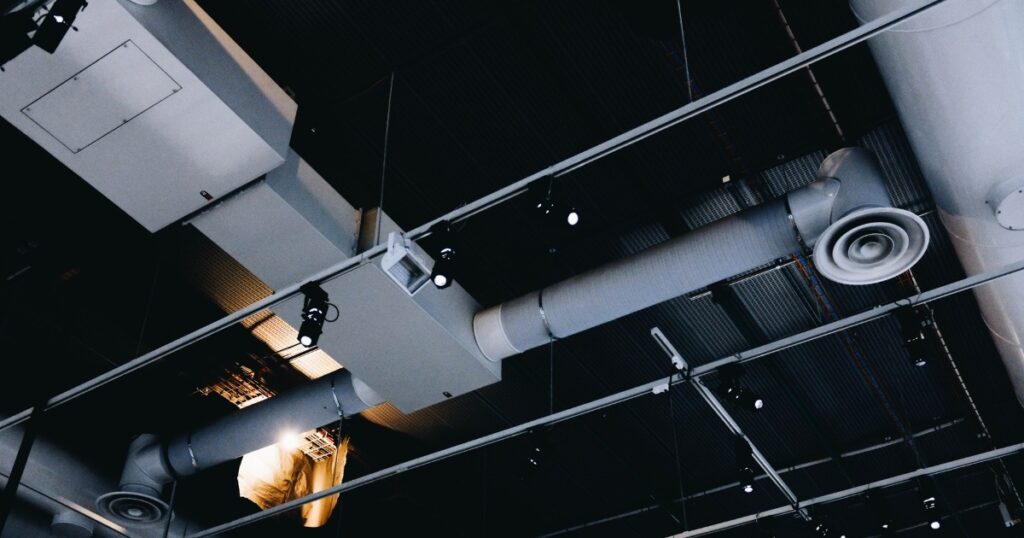
Residential HVAC Installation
- HVAC installation services for homes are typically straightforward.
- Standardized equipment and ductwork.
- Installation can often be completed in a day or two.
Commercial HVAC Installation
- Commercial HVAC installation services require custom design and engineering.
- Load calculations for each zone or floor.
- Integration with fire suppression, security, and building management systems.
- May involve cranes for rooftop units, large-scale ductwork, and complex controls.
- Installation can take weeks or months, depending on project size.
HVAC System Design Services
- HVAC system design services are critical for commercial projects.
- Engineers design systems for efficiency, comfort, and code compliance.
- Proper design ensures balanced airflow, temperature control, and indoor air quality.
Energy Efficiency: Residential vs. Commercial
HVAC Systems
- Residential: Look for ENERGY STAR-rated equipment, programmable thermostats, and proper insulation.
- Commercial: Use high-efficiency RTUs, chillers, variable speed drives, and advanced controls.
Heating and Cooling Systems
- Residential: Heat pumps, high-efficiency furnaces, and smart thermostats.
- Commercial: Variable refrigerant flow (VRF) systems, energy recovery ventilators (ERVs), and demand-controlled ventilation.
Tips for Energy Efficiency
- Regular maintenance: Clean filters, coils, and ducts.
- Upgrade old equipment: Newer systems are much more efficient.
- Seal leaks: In ductwork and the building envelope.
- Use zoning: Only heat or cool occupied areas.
- Install smart controls: For scheduling and remote management.
Energy Efficient Heating and Air Conditioning Systems
- Residential: Dual-fuel systems, zoned mini-splits, and solar-ready units.
- Commercial: Centralized systems with heat recovery, economizers, and integrated controls.
Energy Efficient Heating Cooling Systems
- Both sectors benefit from regular tune-ups, proper sizing, and energy audits.
Maintenance: Keeping Systems Running Smoothly
Residential HVAC Maintenance
- Home heating maintenance: Annual furnace or heat pump checkups.
- AC installation service: Professional setup and testing.
- Air conditioning maintenance: Filter changes, coil cleaning, refrigerant checks.
- HVAC maintenance service: Seasonal tune-ups for efficiency and longevity.
Commercial HVAC Maintenance
- Commercial HVAC maintenance services: Scheduled inspections, filter changes, coil cleaning, and system diagnostics.
- Commercial heating maintenance: Boiler and furnace checks, burner cleaning, safety inspections.
- Rooftop unit maintenance: Inspecting and cleaning RTUs, checking belts, motors, and controls.
- HVAC system installation: Ensuring all components are working together.
- AC replacement services: Upgrading old units for efficiency and reliability.
Why Maintenance Matters
- Prevents breakdowns and costly repairs.
- Extends equipment life.
- Maintains energy efficiency.
- Ensures comfort and air quality.
- Meets warranty and code requirements.
Repair and Replacement
Residential HVAC Repair and Service
- HVAC repair service: For breakdowns, strange noises, or poor performance.
- HVAC service and repair: Includes diagnostics, part replacement, and system checks.
- AC replacement services: When repairs are no longer cost-effective.
Commercial HVAC Repair and Service
- HVAC repair and service: For urgent issues in large systems.
- Commercial mechanical contractors handle complex repairs and upgrades.
- Commercial HVAC replacement: For aging or inefficient systems.
When to Replace vs. Repair
- Age: Systems over 10–15 years may be due for replacement.
- Frequent repairs: If you’re calling for service often, replacement may be more cost-effective.
- Rising energy bills: Older systems lose efficiency.
- Inconsistent comfort: If some areas are too hot or cold, your system may be failing.
Choosing the Right HVAC Partner
What to Look For
- Experience with both commercial & residential systems
- Licensed, insured, and certified technicians
- Custom solutions for your building’s needs
- Comprehensive maintenance and repair services
- Transparent pricing and clear communication
Why Professional Service Matters
- Ensures code compliance and safety
- Maximizes system efficiency and lifespan
- Reduces downtime and costly repairs
- Protects your investment
12. Conclusion
Understanding the difference between residential and commercial HVAC is essential for making informed decisions about your property’s comfort, efficiency, and long-term value. While both systems serve the same basic purpose, their design, installation, maintenance, and repair needs are vastly different.
Whether you need HVAC installation services for your home or commercial HVAC installation services for your business, trust Top Tech Mechanical for expert solutions. Our team specializes in both commercial & residential HVAC, offering everything from AC installation service and home heating maintenance to commercial HVAC maintenance services and AC replacement services.
Frequently Asked Questions
What is the main difference between residential and commercial HVAC?
Size, complexity, and capacity. Commercial systems are larger, more complex, and designed for multiple zones and higher loads.
Can a residential HVAC contractor work on commercial systems?
Only if they have the proper training, licensing, and experience. Commercial systems require specialized knowledge.
How often should commercial HVAC systems be serviced?
At least twice a year, with additional checks for high-use or critical systems.
What are the benefits of energy-efficient HVAC systems?
Lower energy bills, reduced environmental impact, improved comfort, and longer equipment life.
What is included in commercial HVAC maintenance services?
Inspections, filter changes, coil cleaning, diagnostics, control checks, and emergency repairs.