

When you step into an office, store, or restaurant, you probably don’t think about the complex systems working behind the scenes to keep the air just right. Yet, for business owners, facility managers, and tenants, understanding the HVAC working system is essential for comfort, safety, and efficiency.
HVAC—which stands for Heating, Ventilation, and Air Conditioning- is the backbone of indoor climate control in commercial buildings. These systems are far more robust and complex than their residential counterparts, designed to handle larger spaces, more people, and stricter requirements for air quality and energy efficiency.
In this expert guide, you’ll learn what a commercial HVAC system is, how it works, the key components, and why professional commercial HVAC installation services and maintenance are crucial for your business.
What Is a Commercial HVAC System?
A commercial HVAC system is a network of equipment and controls that manage heating, cooling, ventilation, and air quality in large buildings such as offices, schools, hospitals, warehouses, and retail spaces. Unlike residential systems, commercial HVAC is designed for scalability, flexibility, and the ability to serve multiple zones or areas with different needs.
What Does HVAC Stand For?
HVAC stands for:
- Heating: Keeping indoor spaces warm during cold weather.
- Ventilation: Circulating and filtering air to maintain indoor air quality.
- Air Conditioning: Cooling and dehumidifying air during hot weather.
Why Are Commercial Systems Different?
- Size and capacity: Commercial systems are much larger and more powerful.
- Complexity: They often serve multiple floors, zones, or tenants.
- Customization: Systems can be tailored for specific uses (e.g., server rooms, kitchens, labs).
- Controls: Advanced automation and zoning for energy efficiency and comfort.
Key Components of a Commercial HVAC System
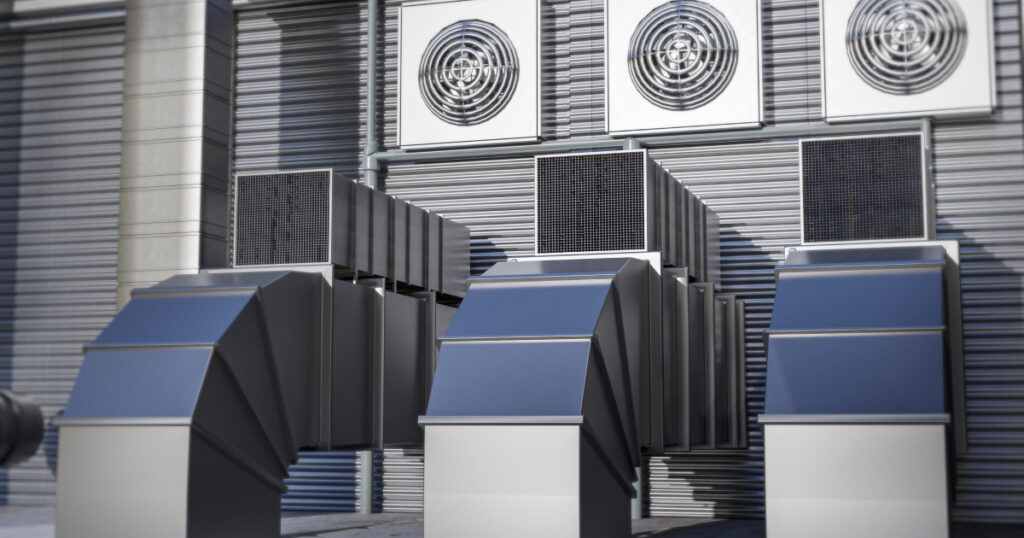
A typical HVAC working system in a commercial building includes several major components:
Heating Equipment
- Furnaces: Burn fuel (natural gas, oil, or electricity) to heat air, which is then distributed through ducts.
- Boilers: Heat water or steam for distribution through pipes and radiators.
- Heat Pumps: Can both heat and cool by transferring heat between indoors and outdoors.
Cooling Equipment
- Air Conditioners Remove heat from indoor air and expel it outside.
- Chillers: Used in larger buildings to cool water, which is then circulated to air handlers.
- Rooftop Units (RTUs): Packaged systems installed on the roof that combine heating and cooling in one unit.
Ventilation System
- Air Handling Units (AHUs): Move, filter, and sometimes heat or cool air.
- Fans, Dampers, and Ducts: Distribute air to different zones.
- Exhaust Systems: Remove stale air, odors, and contaminants.
Control Systems
- Thermostats: Set and regulate temperature.
- Building Automation Systems (BAS): Advanced controls for scheduling, zoning, and energy management.
Distribution Network
- Ductwork: Carries heated or cooled air throughout the building.
- Piping: For hydronic systems.
How Does a Commercial HVAC System Work?
Demand Signal
The thermostat or BAS detects a need for heating, cooling, or ventilation and signals the appropriate equipment.
Air Intake and Filtration
The system draws in outside air or recirculates indoor air, filtering out dust, allergens, and contaminants.
Conditioning the Air
- Heating: Furnaces, boilers, or heat pumps warm the air or water.
- Cooling: Air conditioners, chillers, or heat pumps remove heat from the air.
- Dehumidification: Air conditioners and some ventilation systems remove excess moisture.
Air Distribution
Conditioned air is distributed throughout the building, and return air is pulled back for reconditioning or exhaust.
Zoning and Automation
Sensors and controls adjust temperature, airflow, and humidity in different areas to optimize energy use.
Ventilation and Air Quality
Fresh air is introduced to maintain healthy indoor air quality, while exhaust systems remove pollutants.
Types of Commercial HVAC Systems
Packaged Rooftop Units (RTUs)
All-in-one systems installed on the roof offering heating, cooling, and ventilation.
Split Systems
Separate indoor and outdoor units are common in smaller commercial spaces.
Variable Refrigerant Flow (VRF) Systems
Advanced, highly efficient systems capable of heating and cooling different zones simultaneously.
Chilled Water Systems
Use chillers to cool water circulated to air handlers, ideal for large buildings.
Two Types of Air Conditioning Systems
- Direct Expansion (DX): Refrigerant cools air directly.
- Chilled Water: Water is cooled by a chiller and circulated to air handlers.
Air Conditioning: How It Works
- Evaporation: Refrigerant absorbs indoor heat.
- Compression: The Compressor increases refrigerant pressure and temperature.
- Condensation: Heat is released outside.
- Expansion: Refrigerant cools and returns to low pressure.
Installation and Replacement
Commercial HVAC Installation Services
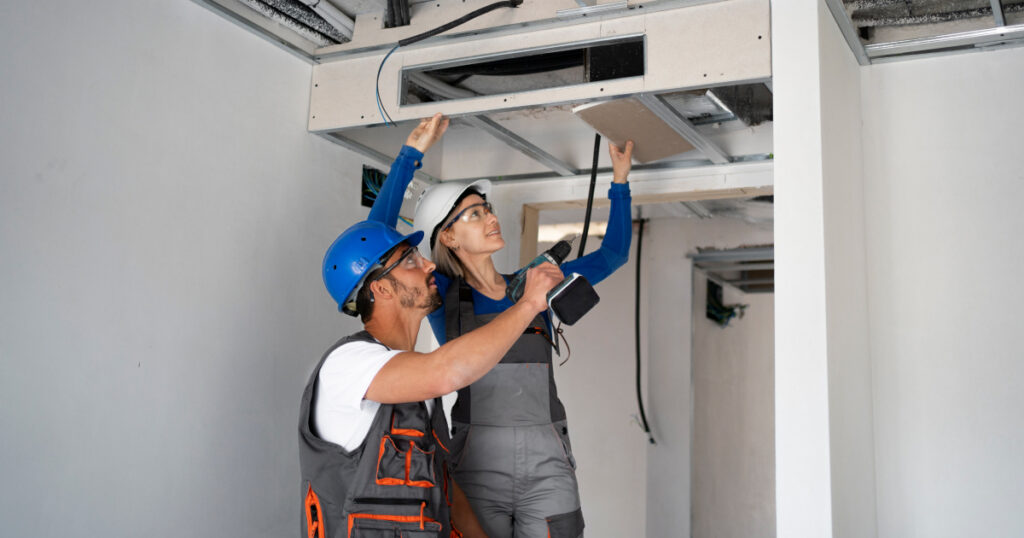
Professional installation ensures proper sizing, compliance with codes, correct layout, and BAS integration.
Air Conditioning Installation Services
Includes load calculation, equipment selection, duct/electrical work, and system testing.
HVAC Replacement
Upgrading systems improves efficiency, reliability, and performance.
Maintenance and Service
Why Maintenance Matters
Regular maintenance ensures efficiency, long lifespan, and indoor air quality, and prevents breakdowns.
Commercial HVAC Maintenance Services
- Tune-ups
- Filter changes
- Coil cleaning
- Refrigerant checks
- Electrical inspections
- Control testing
Rooftop Unit Maintenance
Includes cleaning coils, inspecting fans, checking for leaks, and lubricating moving parts.
Air Conditioning Maintenance
Covers coil cleaning, refrigerant charge checks, electrical inspections, and thermostat testing.
Repair and Emergency Service
HVAC Repair Service
Rapid diagnosis and repair are essential for maintaining comfort and air quality.
HVAC Service and Repair
Includes component replacement, emergency response, and preventive repairs.
Commercial Heating Maintenance
Ensures safe, efficient operation during cold weather through inspections, testing, and cleaning.
Signs Your Commercial HVAC Needs Service or Replacement
- Inconsistent temperatures
- Strange noises or odors
- Rising energy bills
- Poor air quality
- Frequent repairs
- Advanced age
Energy Efficiency and Modern Upgrades
Upgrading improves comfort, air quality, automation, and reduces energy use and costs.
Modern Features
- Variable speed motors
- Smart thermostats
- Energy recovery ventilators
- High-efficiency filters
Conclusion
A commercial HVAC system is essential for comfort, safety, and productivity. Understanding how it works and maintaining it properly helps you make informed decisions that save money and enhance reliability.
Key Takeaways
- Commercial HVAC systems are complex and essential.
- Components include heating, cooling, ventilation, controls, and distribution.
- Maintenance and repairs are crucial for performance.
- Energy-efficient upgrades improve savings and comfort.
- Always rely on trained professionals.
Trust Top Tech Mechanical for expert HVAC service, maintenance, and installation tailored to your building.
Frequently Asked Questions
What are the two types of air conditioning systems?
Direct Expansion (DX) and Chilled Water systems.
How does an air conditioner work?
It uses the refrigeration cycle to absorb indoor heat and release it outdoors.
Can air conditioning be used for heating?
Yes, heat pumps reverse the refrigeration cycle.
What is the best way to maintain a commercial HVAC system?
Regular professional maintenance, timely filter changes, and prompt repairs.
How often should commercial HVAC systems be serviced?
At least twice a year, with additional checks for high-use systems.